
Introduction to Home Additions
When your household needs more space, a thoughtful addition can be a cost-effective alternative to moving. Ricci Custom Renovations specializes in home additions that integrate structurally and aesthetically with existing homes, whether adding a master suite, kitchen expansion, mudroom, or second-floor addition. Based in Chatham, MA, we coordinate design, permitting, and construction to create additional living space that complements your home’s character and meets your family’s needs.
Why additions matter
A well-planned addition adds usable square footage while preserving neighborhood ties and emotional attachment to your home. Additions allow you to avoid the cost and disruption of moving, maintain desirable location and schools, and increase property value. When done correctly, additions look original to the house—matching roof pitches, siding, trim, and interior detailing so the new area feels seamless and intentional.
Budget considerations
The cost of an addition depends on foundation type, square footage, mechanical upgrades, and finish level. We provide line-item cost estimates and alternate options to fit different budgets.
Key benefits of choosing Ricci Custom Renovations for additions
Integrated design-build experience
We coordinate with architects and designers or build from homeowner-provided plans, ensuring constructability and budget alignment.
Structural expertise
Proper tie-ins, foundation work, and load-path continuity to protect both new and existing structures.
Exterior continuity
Accurate matching of siding, trim, windows, and rooflines to create a cohesive exterior.
Interior transition focus
Careful floor level transitions, trim details, and finish choices that create seamless interior flow.
Local permitting and code familiarity
We manage local approvals and inspections to meet Cape Cod standards.
Types of additions we build
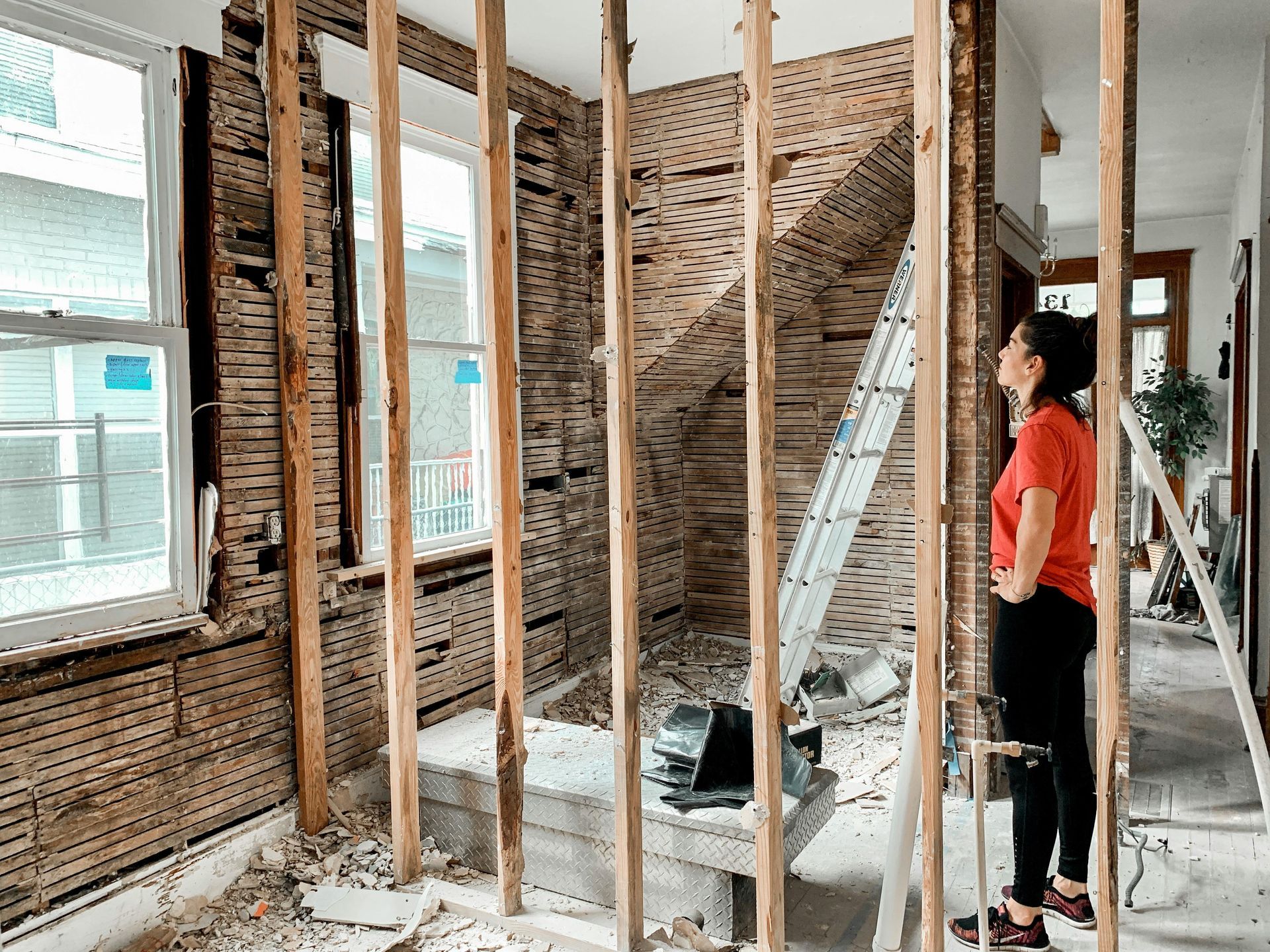
Single-story additions
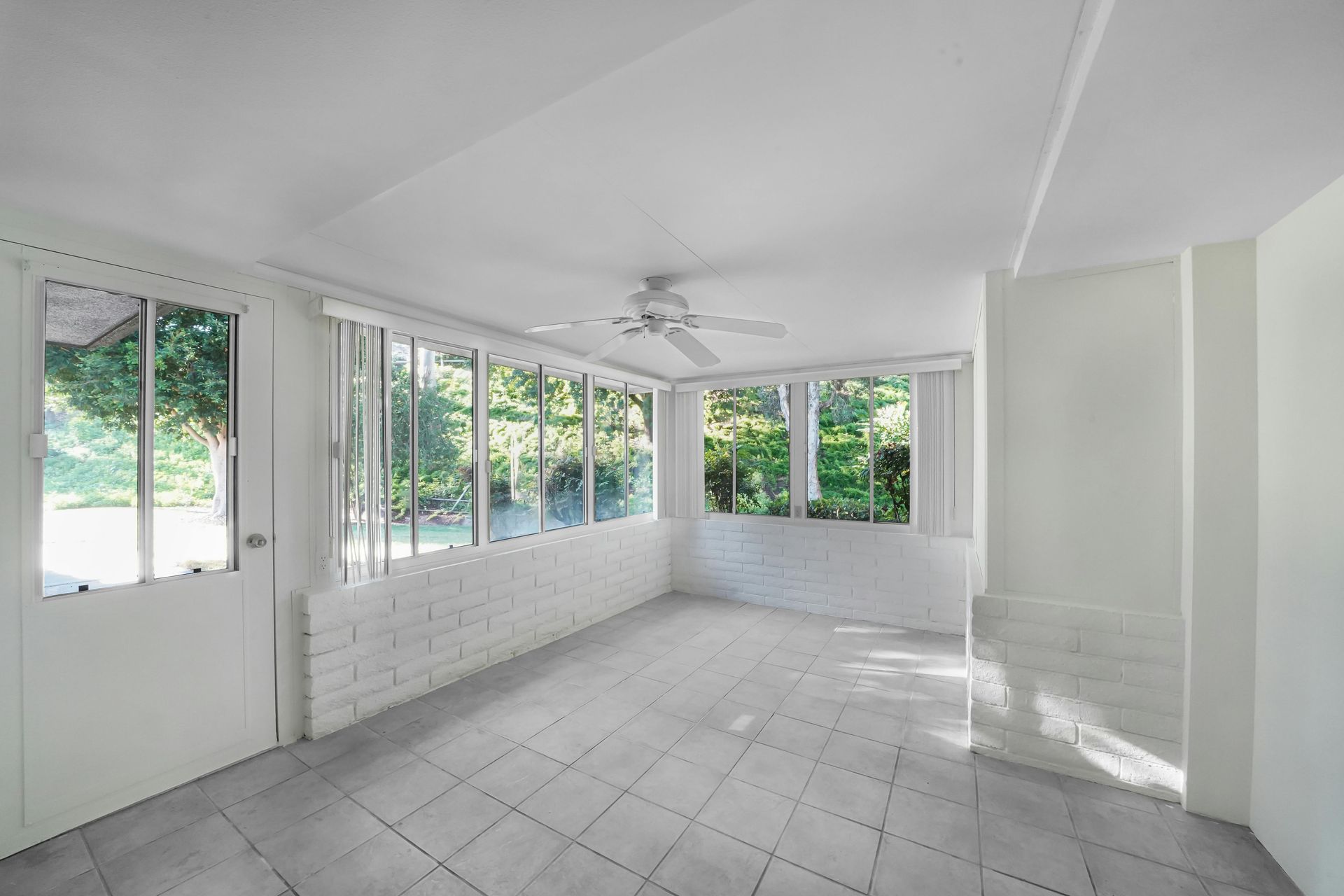
Family rooms, expanded kitchens, sunrooms, or extended living spaces.
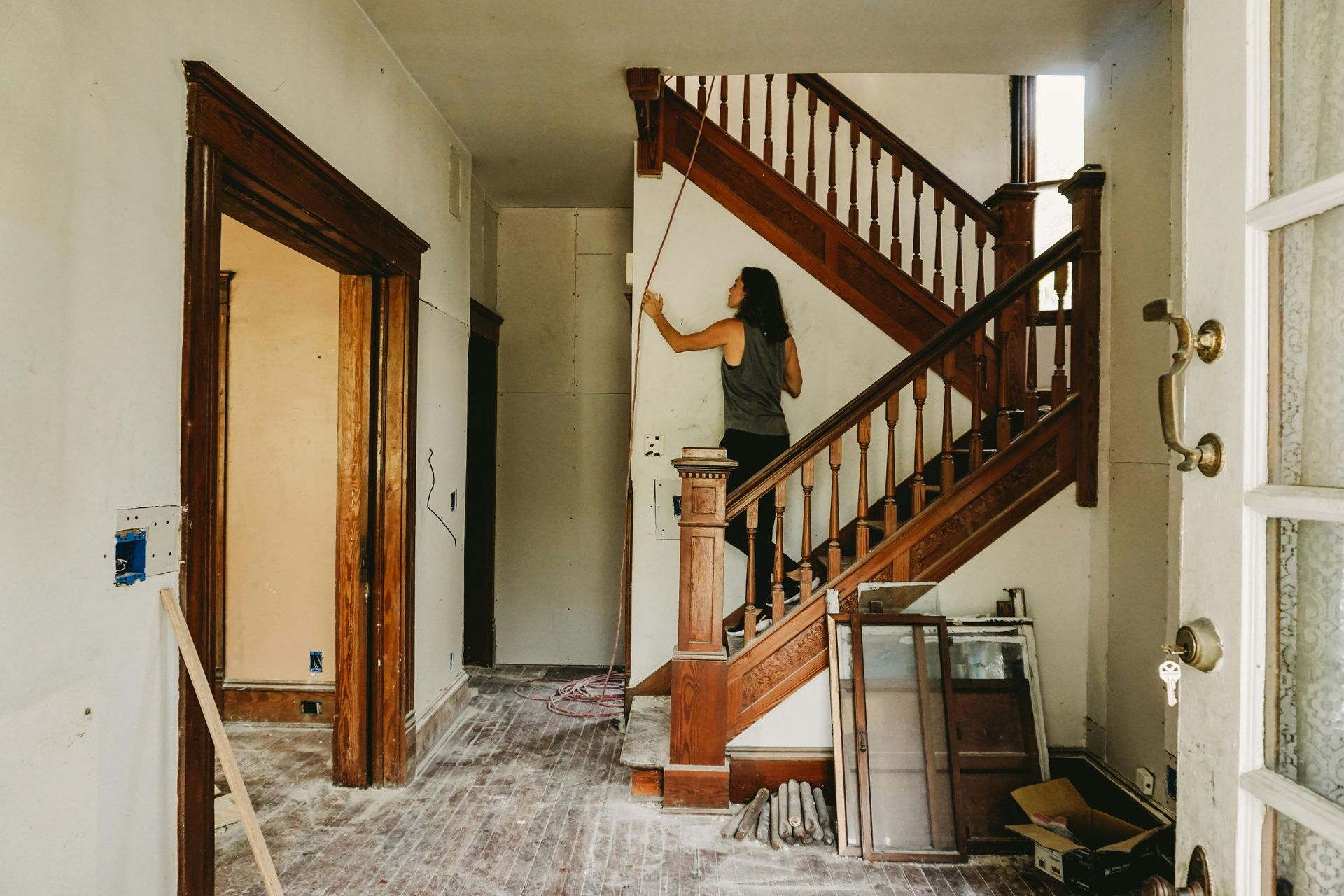
Second-floor additions
Additional bedrooms, home offices, or bonus rooms requiring structural reinforcement.
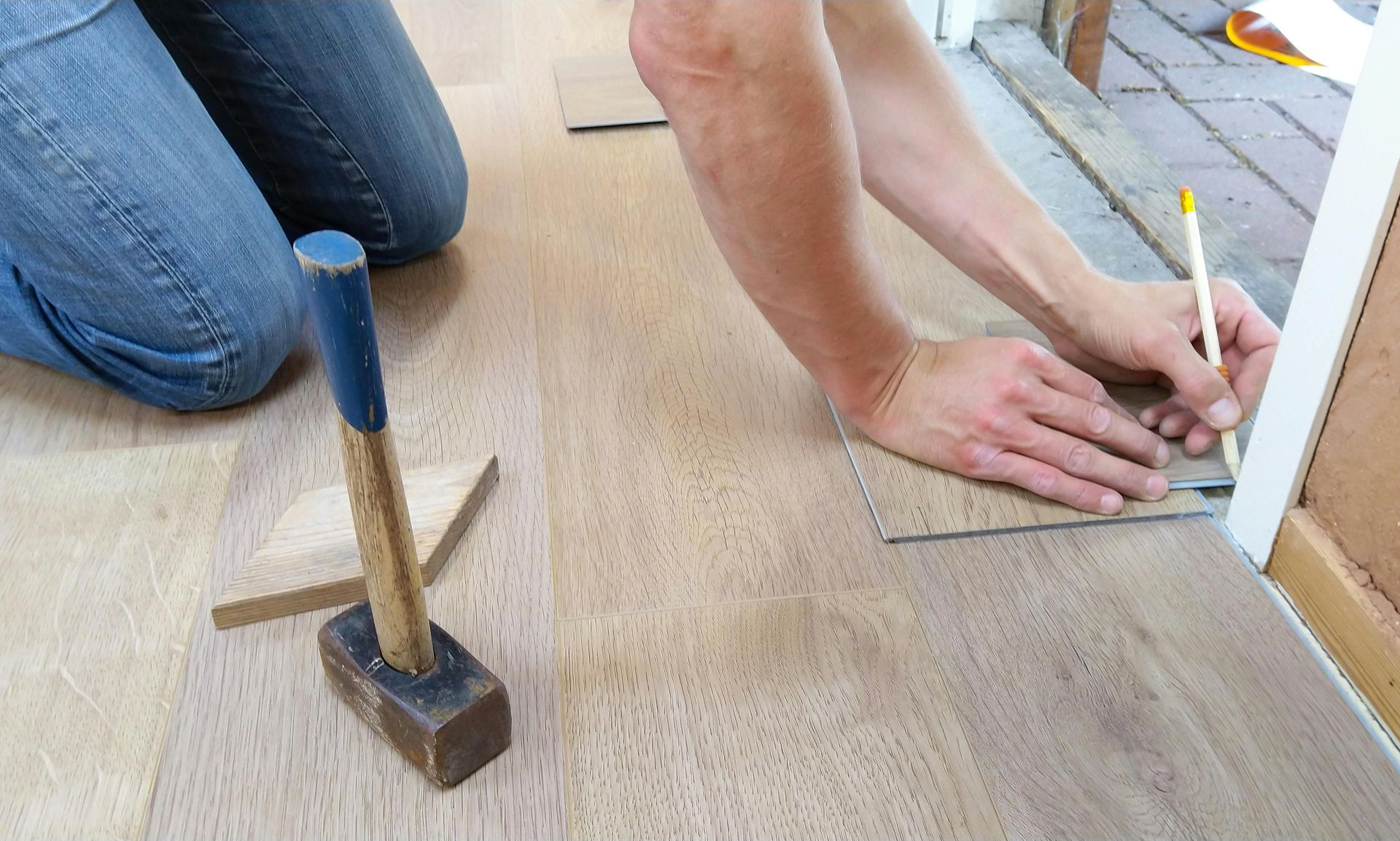
Bump-outs
Small expansions for breakfast nooks, bump-out pantries, or alcoves that increase space without full foundation work.
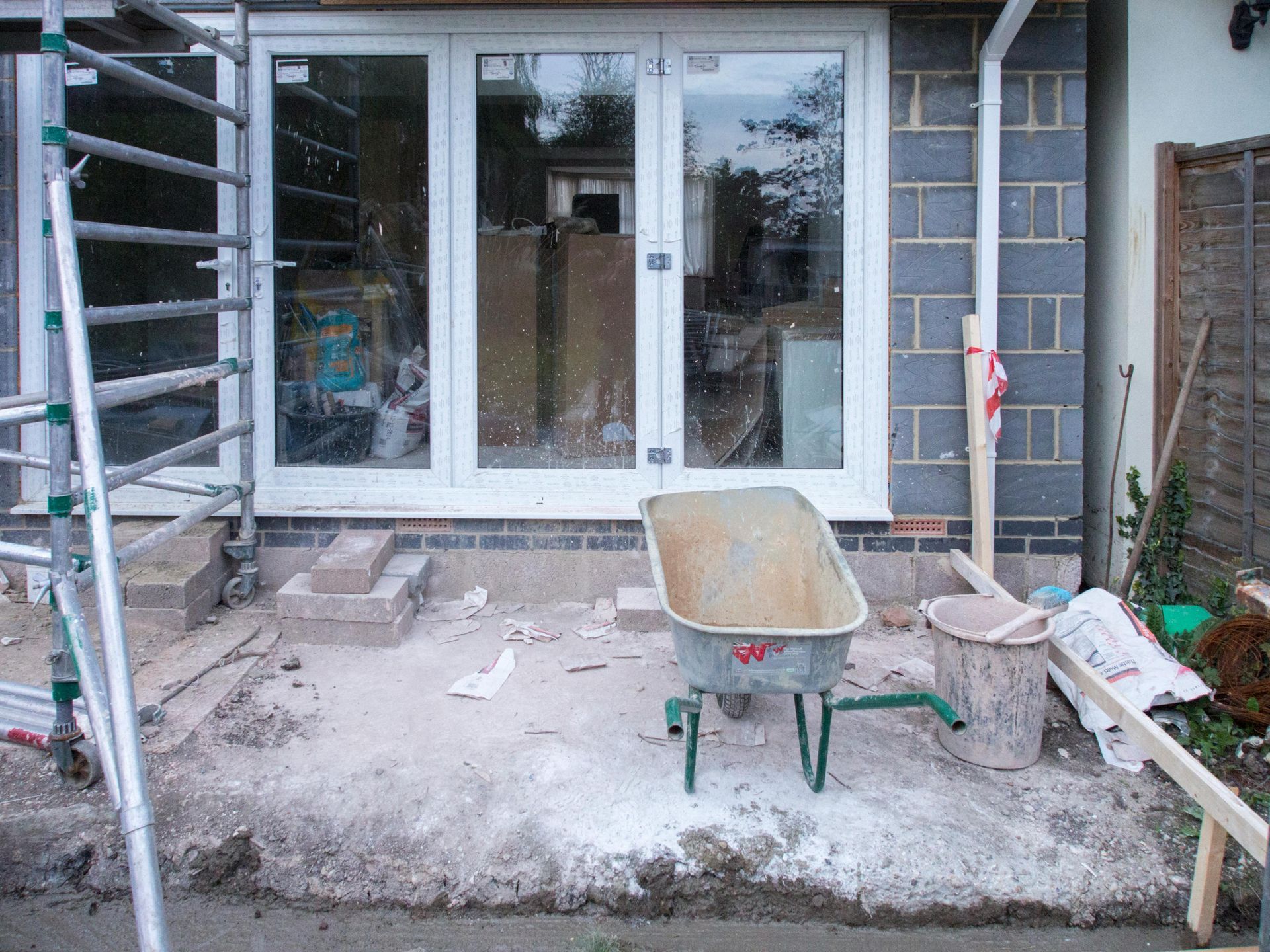
How we plan and execute an addition
We assess lot lines, setbacks, grading, and existing utility locations to determine the most effective design and foundation approach.
Site analysis and feasibility
Design coordination
Partnering with architects or working from homeowner-provided sketches, we refine plans for structural integrity and interior flow. We consider daylighting, solar orientation, and how the new space relates to outdoor living areas.
Structural design and foundation work
We select appropriate foundation types—concrete footings, shallow foundations, or slab-on-grade—based on site conditions. Proper framing and tie-in details ensure the existing structure is not compromised.
Exterior and interior integration
Siding, roofing, windows, and trim are matched to existing materials or upgraded to a new coordinated palette. Inside, floor transitions, trim profiles, and paint selections ensure a cohesive aesthetic.
Common addition challenges and how we handle them
- Matching historic materials: We source comparable siding, shingles, and trim profiles or replicate details with custom millwork.
- Site constraints: Narrow lots or proximity to septic systems require creative layout and foundation solutions.
- Minimizing disruption: We phase work to maintain access to living areas and manage noise and dust containment carefully.
- Budget management: We provide cost options and phased strategies so homeowners can decide where to invest.
Timeline and typical sequencing
- Feasibility and design: 2–8 weeks depending on complexity and design development.
- Permitting: 2–6 weeks depending on local review and approvals.
- Construction: 8–16 weeks for many additions, potentially longer for complex second-floor work.
Finishes and customization
Additions are an opportunity to add custom millwork, built-ins, enhanced lighting, and premium materials that reflect your lifestyle. From custom mudroom cubbies to an expanded chef’s kitchen, we provide finish carpentry expertise that creates functional, beautiful spaces.
Accessibility and future-proofing
We can incorporate aging-in-place features—wider doors, accessible bathrooms, and zero-step entries—to ensure your addition remains comfortable and versatile as household needs change.
Frequently asked questions
Do additions require new septic or well modifications?
It depends on size and local health regulations. We will coordinate with local health departments and, if necessary, engineers to ensure septic capacity and well water quality meet requirements.
How do you match the exterior look of my older home?
We research original details, source matching materials, or create compatible replacements to blend the addition with the existing home.
Can I live in my house while the addition is built?
In most cases, yes. We plan construction phases to maintain safe, functional access to living areas and minimize disruption.
What permits are needed for an addition on Cape Cod?
Typical permits include building, electrical, and plumbing. Depending on location, you may need zoning or conservation approvals. We handle permitting coordination.
Contact and next steps
To explore an addition project, call (508) 274-4142 to arrange a site visit. We’ll assess feasibility, discuss design ideas, and outline budget ranges and timelines specific to your property.
A carefully planned addition can transform how your home supports everyday life. Ricci Custom Renovations delivers additions that are structurally sound, beautifully detailed, and closely integrated with existing architecture—designed to last for generations.